What to Do If the Great Wall Is Busier Than Expected
A Great Wall visit can still be worthwhile even when the section is busier than you hoped. Crowds change the rhythm of the day, but they do not have to ruin it. The key is to stop treating the route like a checklist and start protecting the parts of the visit that matter most.
If you arrive and the entrance, shuttle, cable transport, or first walking area feels crowded, make a simple adjustment early. A calm change at the beginning is much better than pushing through the whole route in frustration.
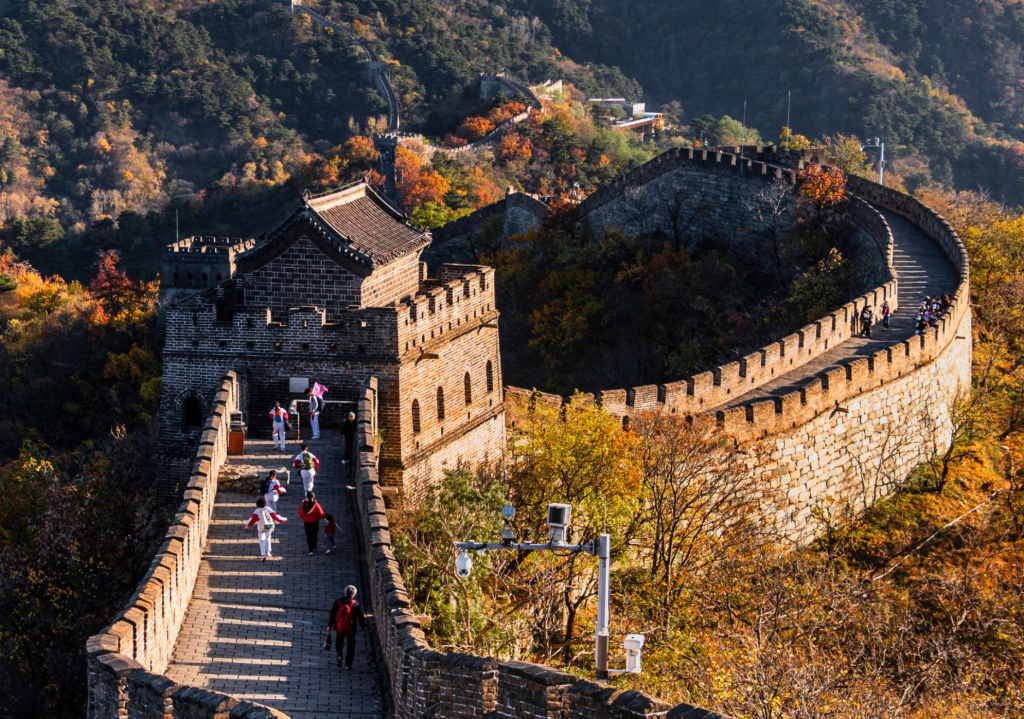
Keep the main experience, cut the extras
When the wall is busy, protect the core experience first. You probably want a clear view of the wall, a comfortable walk, a few unhurried photo stops, and enough time to feel the mountain setting. You may not need every tower, every viewpoint, or every optional detour.
This is especially true for a first visit. If the day is already crowded, a simpler route is usually stronger than trying to force a full plan. The earlier note on how to keep your first Great Wall day simple is useful when you need to decide what to keep and what to drop.
Walk past the first pressure point
Many busy sections feel most crowded near entrances, transport exits, popular signs, and the first few viewpoints. If the path is safe and your group is comfortable, walking a little farther can sometimes spread the crowd out. Do not rush; just move steadily until the route feels less compressed.
At the same time, be realistic. If the crowd does not thin out, change the goal. A slower visit with fewer stops may still be better than trying to chase an empty photo that never appears.
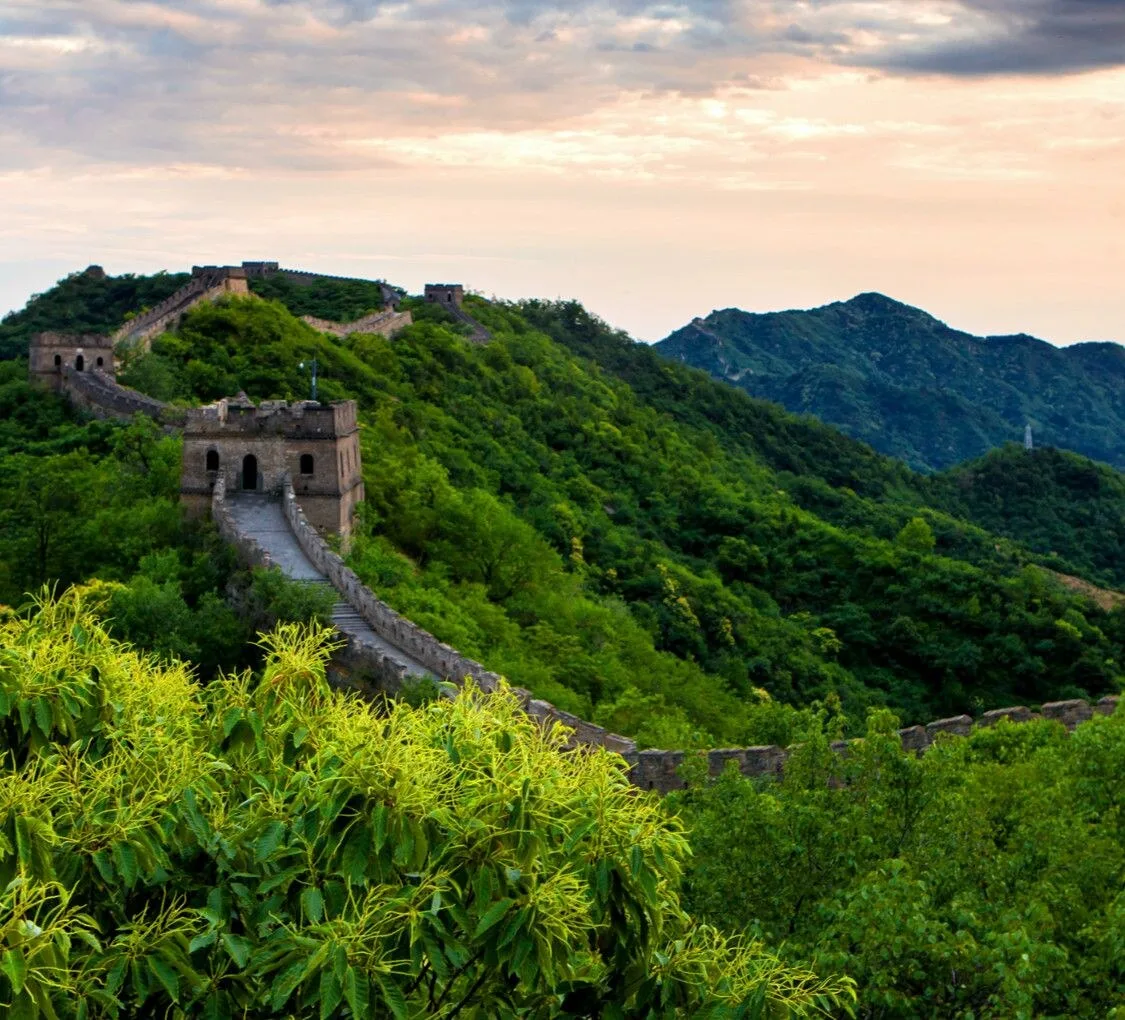
Use time as your adjustment tool
If the section is crowded, the length of the visit matters. You may need more time for the same route, or you may need to shorten the walk so the day stays comfortable. The wrong move is pretending the original timing still works perfectly.
Think in blocks. How much time do you need for the main view? How much time can you give to walking? What can be skipped if the return takes longer? The Blogger note on how much time to spend at the Great Wall can help reset expectations when the route starts slower than planned.
Avoid turning crowds into a race
Busy days can make travelers walk faster than they should. That usually makes the visit worse. Faster walking means fewer pauses, more fatigue, and less attention to steps. It also makes group differences more obvious if some people want to stop and others want to move.
Instead, agree on a slower pace and a clear turnaround point. If the group stays calm, a crowded day can still feel successful. If the group starts competing with the crowd, the wall becomes harder to enjoy.
Change the plan before everyone is tired
The best time to adjust is before the group is exhausted. If the crowd, weather, timing, or energy level changes the day, decide early whether to shorten the route, skip an optional section, or focus on one main area.
This is the same planning habit used when weather or transport shifts unexpectedly. The Blogger note on how to adjust a Great Wall plan when the day changes gives a useful way to think about those decisions.
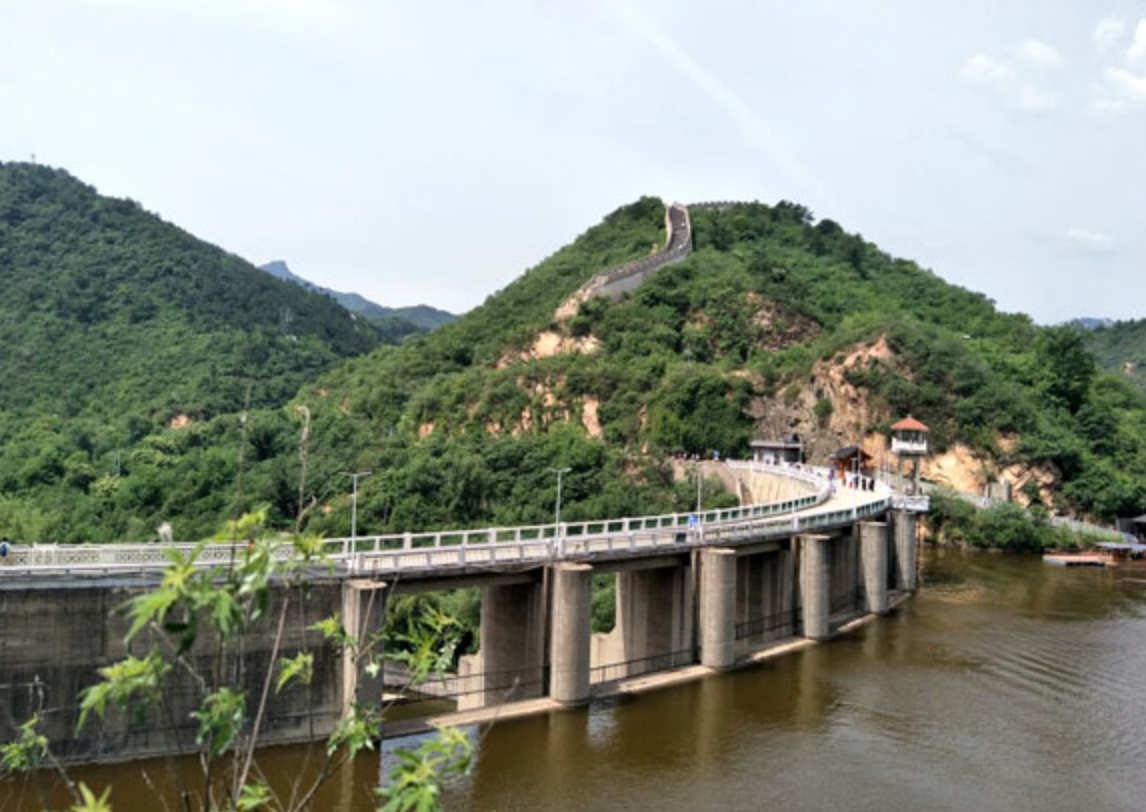
Choose better timing next time
If the crowd surprised you, use it as a lesson for the next Great Wall day. Earlier starts often give more margin. Afternoons can work, but only when the route is simple and the return plan is clear. Holidays, weekends, and peak seasons need more patience.
For a future visit, use the crowd as a timing lesson. A calmer start, a shorter route, or a clearer return plan can make the next day feel easier.
Bottom line
If the Great Wall is busier than expected, do not let the crowd control the whole day. Keep the main experience, cut the extras, walk steadily past the first pressure point, protect your timing, and adjust before everyone gets tired.
A crowded Great Wall visit is not automatically a bad visit. It just needs a simpler, calmer plan.


Comments
Post a Comment