How to Adjust a Great Wall Plan When the Day Changes
A Great Wall plan can look clear the night before and still need adjustment in the morning. Weather changes, someone sleeps badly, traffic looks slower, the group feels less energetic, or the sky is hazier than expected. None of this means the day is ruined. It means the plan should become more realistic.
The best Great Wall days are flexible. A flexible plan does not mean a weak plan. It means you know what to shorten, what to keep, and when to choose comfort over ambition.
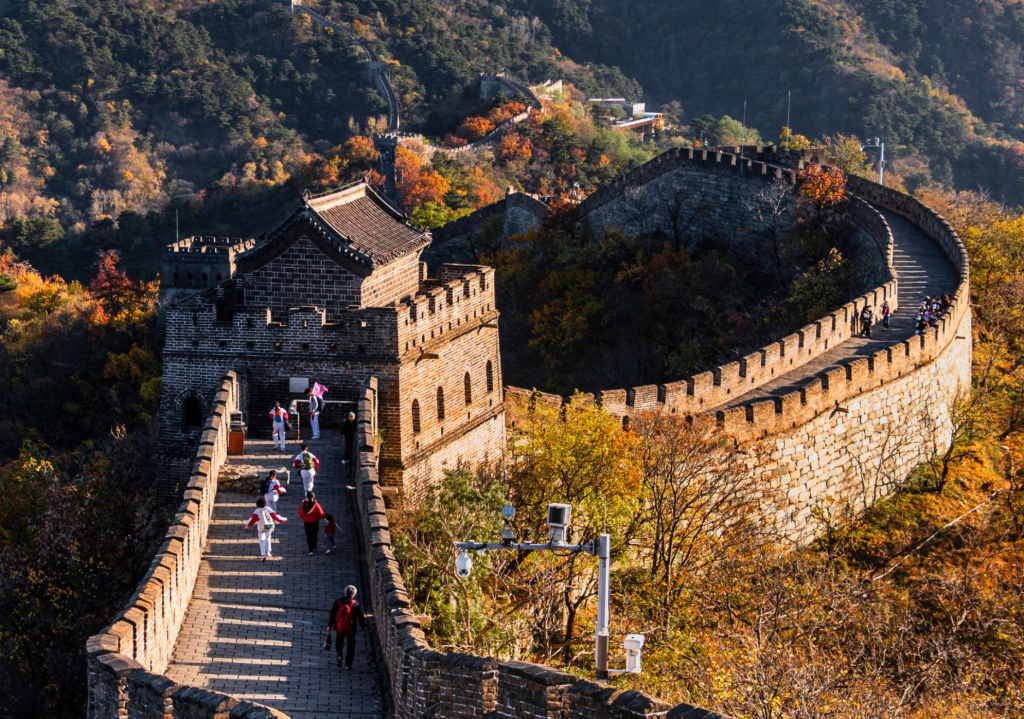
Start by protecting the main purpose
Before changing anything, ask what the day is really for. Is it a first-time view of the wall? A family outing? A photography day? A longer walk? A quiet mountain experience? Once the purpose is clear, it becomes easier to cut the parts that do not matter.
If the goal is a first-time experience, you do not need the hardest walking route. If the goal is a long hike, you need better weather and more energy. If the goal is family comfort, a shorter visit with good pacing is better than a long route that everyone remembers for the wrong reason.
If your section choice is still uncertain, revisit the earlier note on how to choose a Great Wall section near Beijing. A small change in route style can make the whole day easier.
Shorten the walk before you cancel the trip
Many Great Wall plans do not need to be canceled. They need to be shortened. Instead of trying to cover every tower, viewpoint, or side path, choose one main walking area and give it enough time. This is especially useful when the day starts late or the group is moving slower than expected.
A shorter route can still feel complete if you keep the best part of the visit. Walk enough to feel the wall and the mountain setting, take breaks before everyone is tired, and leave while the day still feels successful. It is better to finish wanting a little more than to push until the final hour feels like work.

Let weather set the risk level
Weather should not only change your clothing. It should change the route. Light cloud may be fine. Light rain may be manageable on a restored section. Thunder, strong wind, heavy rain, ice, or poor visibility should make the plan more conservative.
When weather is the reason for doubt, avoid dramatic routes and long exposed walks. Choose easier exits, shorter walking distances, and a route where you can turn back without losing the whole day. If the forecast is unstable, pair this planning habit with the rainy-day note on whether to visit the Great Wall on a rainy day.
Adjust the bag when the plan changes
A changed plan often needs a changed bag. If you shorten the visit, you may not need to carry as much. If the weather gets colder, windier, or wetter, a light layer becomes more important. If the day becomes hotter, water and sun protection move to the top of the list.
Do not carry a heavy bag just because it was packed for a different route. Remove what you no longer need, keep the essentials, and make sure your hands are free for steps. Shoes, water, phone battery, and a simple snack matter more than extra items you packed out of nervousness.
If the change is seasonal or weather-related, the note on what to pack for a Great Wall trip in different seasons is the most useful companion.
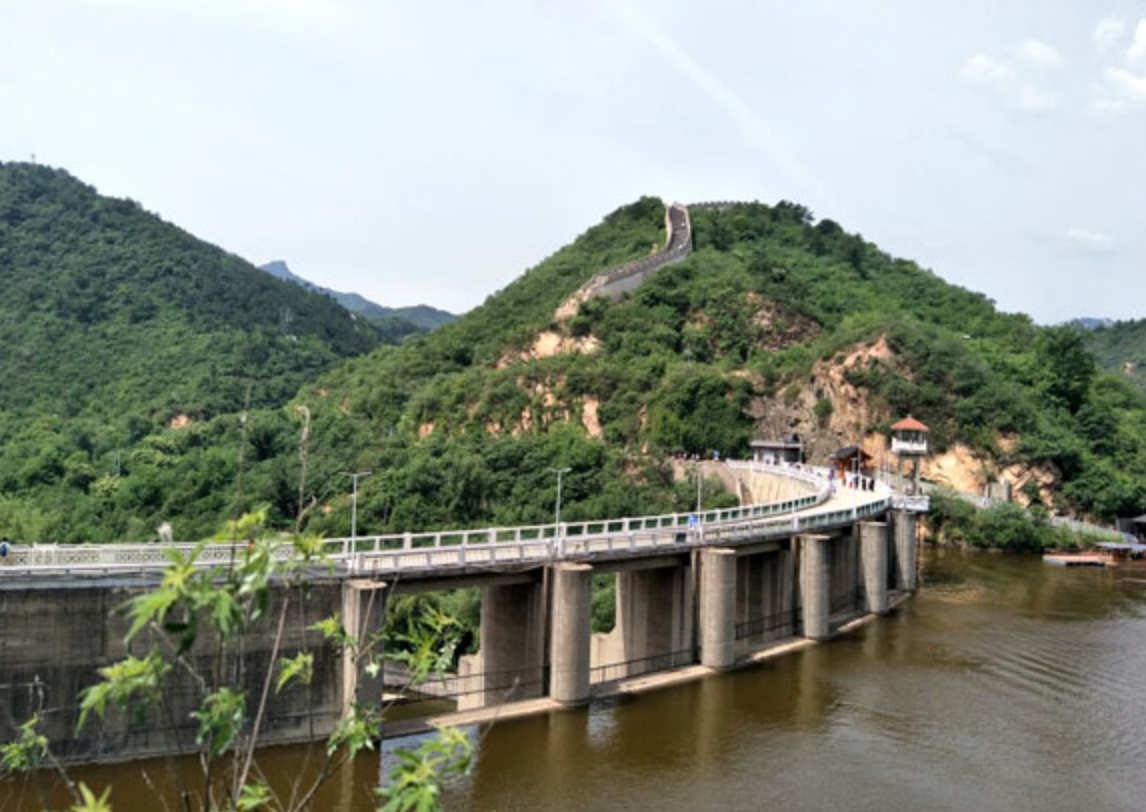
Use one simple backup rule
Do not build three complicated backup itineraries. Choose one backup rule before leaving. For example: if rain gets heavier, shorten the walk. If visibility is poor, focus on a restored section. If the group is tired, skip the extra towers. If transport is delayed, protect the main viewpoint and drop the optional stop.
This kind of rule is easy to remember when the day becomes messy. It also helps groups avoid long discussions at the wrong moment. The decision was already made while everyone was calm.
Bottom line
A changed Great Wall day can still be a good day. Protect the main purpose, shorten the route when needed, let weather set the risk level, adjust the bag, and use one simple backup rule.
The wall is not going anywhere. The smartest plan is the one that fits the day you actually have.


Comments
Post a Comment