How Much Time Should You Spend at the Great Wall?
One common Great Wall planning mistake is thinking only about the drive and the ticket. The real question is how much time you want to spend at the wall itself. A rushed visit can still give you a photo, but it may not give you the feeling of the place.
There is no single perfect amount of time. The right length depends on your section, walking comfort, weather, transport, and whether this is your first visit or a repeat trip.
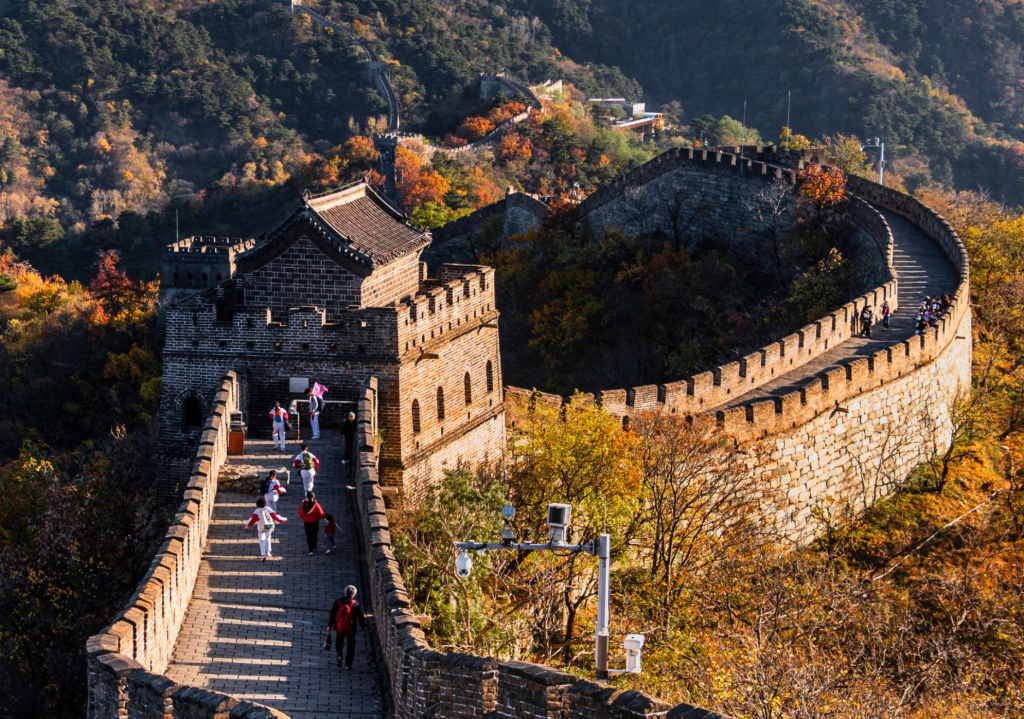
One hour is usually too short
One hour at the wall can work only if you are doing a very limited viewpoint stop. It may be enough to enter, walk a short distance, take a few photos, and leave. But for most travelers, it feels compressed.
The problem is that the Great Wall needs a little time to settle in. You want to look along the ridge, understand the towers, feel the steps, and let the mountain setting become more than a background. If your schedule only allows one hour, choose a simple route and do not add extra expectations.
Two to three hours works for many first visits
For many first-time visitors, two to three hours on site is a better target. It gives enough time to walk, pause, take photos, and adjust pace without turning the visit into a full hiking day.
This is especially useful if the goal is a simple and successful first experience. If that is your situation, the earlier note on how to keep your first Great Wall day simple is a good companion to this timing decision.
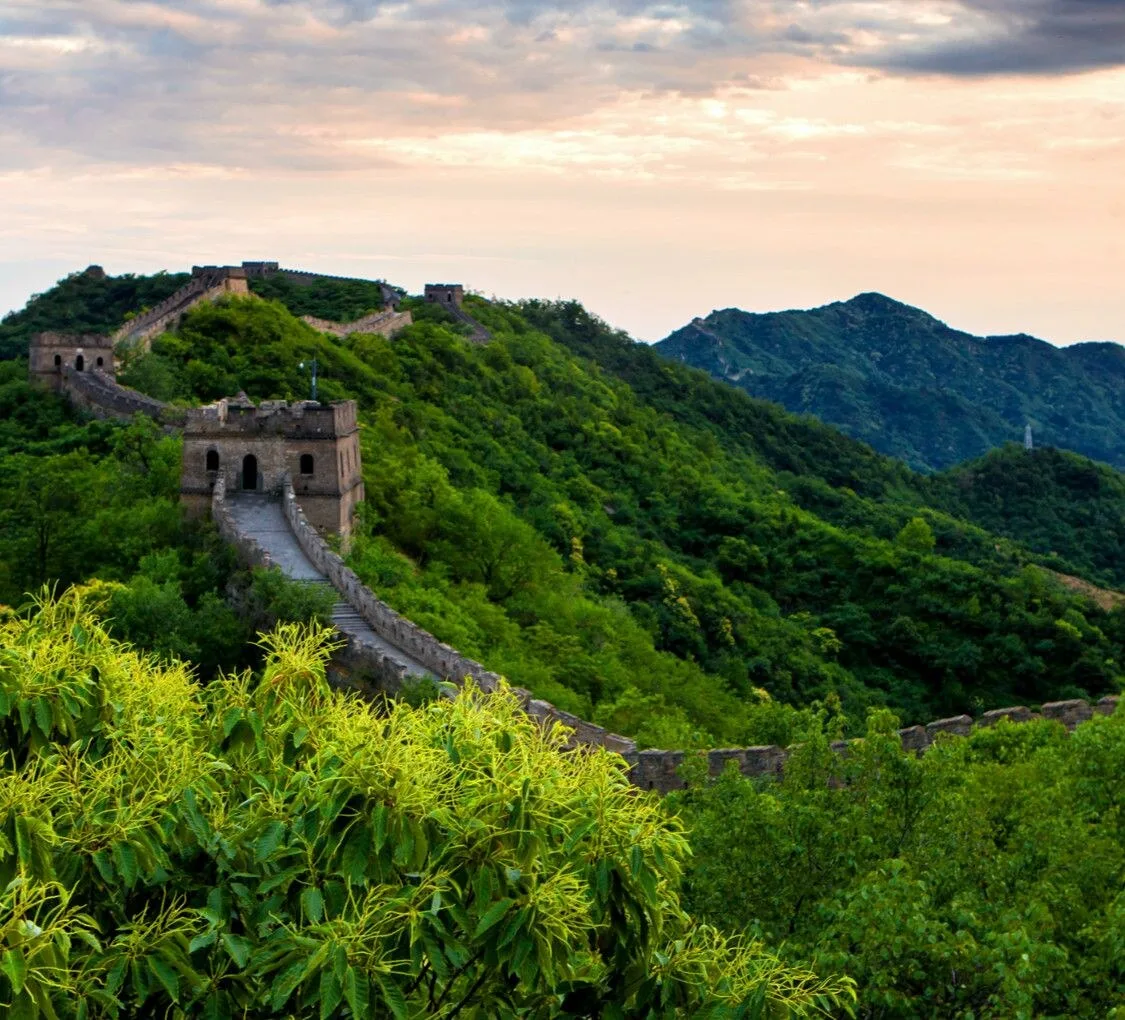
Half a day is better for a slower route
If you want to walk farther, take more photos, or avoid feeling rushed, a half-day Great Wall plan is often more comfortable. This does not always mean hard hiking. It can simply mean giving the route enough margin for weather, rest, transport, and decision-making.
A half-day plan also helps when the group has mixed energy levels. Strong walkers can move a little farther, while slower travelers can rest more often. The day feels more forgiving because every delay does not become a problem.
Timing matters as much as total hours
Three hours in the morning can feel very different from three hours late in the afternoon. Morning usually gives more margin and more energy. Afternoon can work well if the route is short and the return plan is clear.
If you are deciding when to go, review the Blogger note on morning or afternoon Great Wall visits. It helps connect time of day with route style and comfort.
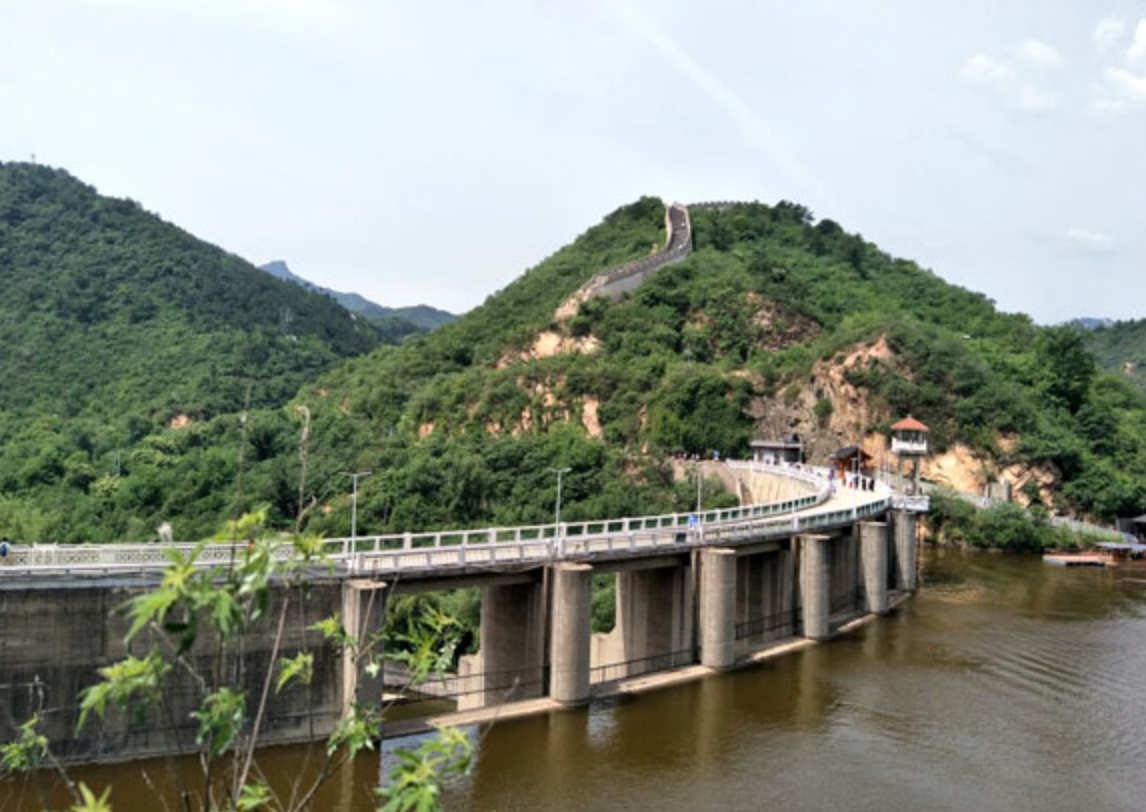
Leave room to shorten the visit
A good plan includes permission to stop early. If the weather turns, someone gets tired, the steps feel harder than expected, or transport timing changes, shortening the visit is not a failure. It is often the smart decision.
That is why a flexible route is better than a rigid checklist. If the day shifts after you leave, the note on how to adjust a Great Wall plan when the day changes can help you think through what to keep and what to drop.
A simple time rule
Plan one hour only for a very short viewpoint stop. Plan two to three hours for a comfortable first visit. Plan half a day if you want slower walking, better photos, or more margin. Add more only if the route itself is the main purpose of the day.
The Great Wall rewards time, but it does not reward forcing time. Stay long enough to enjoy the place, and leave before the day stops feeling good.


Comments
Post a Comment