How to Take Better Great Wall Photos Without Losing the Whole Day
Great Wall photos are part of the experience, but they should not take over the whole visit. The best photo plan is usually simple: choose a few strong moments, keep the group moving, and let the route feel like a real walk instead of a long photo queue.
You do not need professional equipment to come home with better pictures. You need better timing, a calmer pace, and a clear idea of when to stop taking photos and enjoy the view.
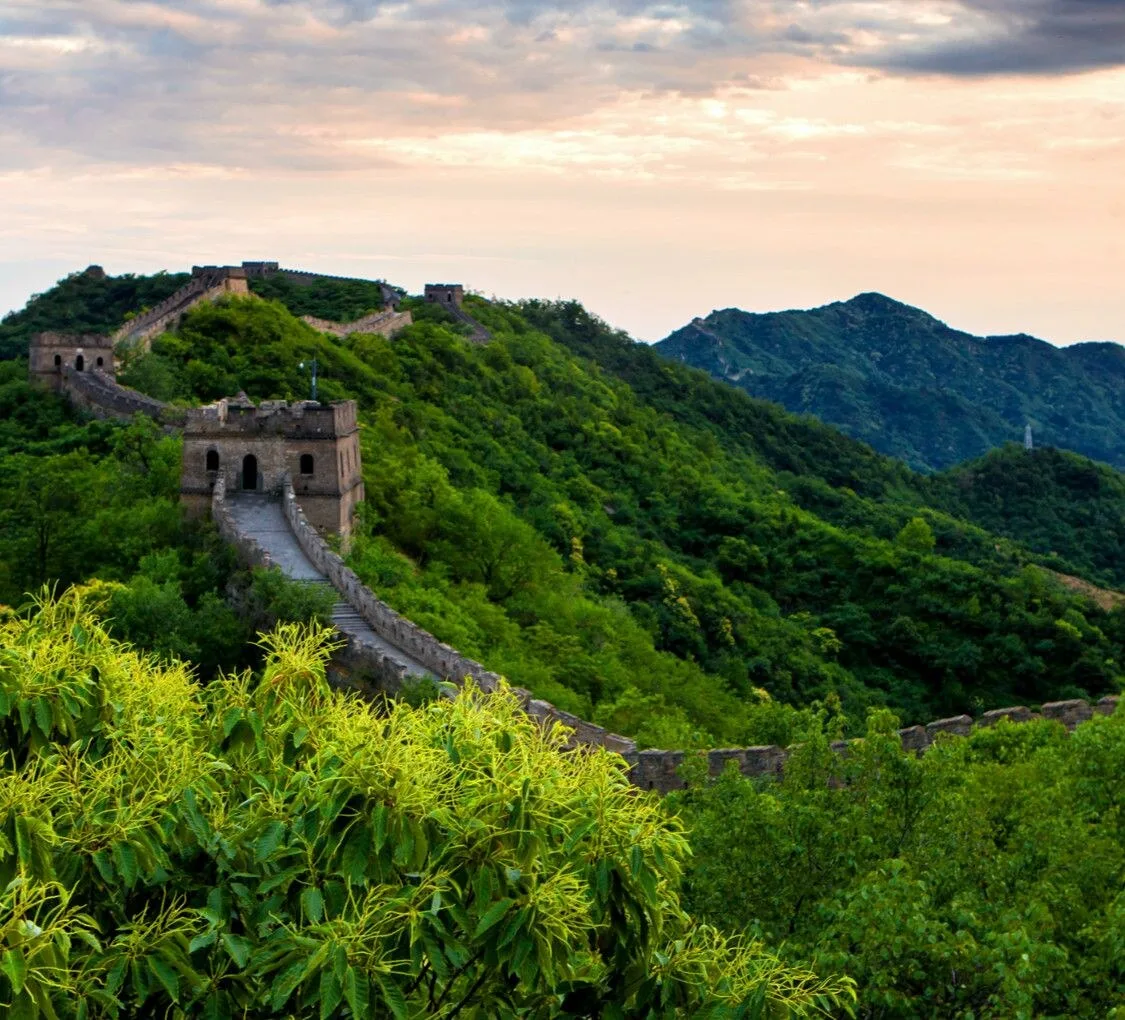
Choose light before choosing poses
Light changes the mood of the wall quickly. Harsh midday light can make stone, sky, and faces look flat, while softer morning or later-day light often makes the ridges more natural. If photos matter to you, think about the half of the day before thinking about exact poses.
A morning plan usually gives more energy and more time to adjust. An afternoon plan can work well if the route is short and the return is clear. The earlier note on morning or afternoon Great Wall visits is useful when photo comfort and walking comfort both matter.
Take the wide view first
When you reach a good viewpoint, start with the wide view. Show the wall following the ridge, the towers in the distance, and the mountain setting around it. These photos help the memory feel like the Great Wall, not only a close-up of one step or one tower.
After that, take a few closer photos: stone details, watchtower windows, steps, signs, or your group resting between viewpoints. A small mix of wide and close images usually tells the story better than taking the same standing photo many times.
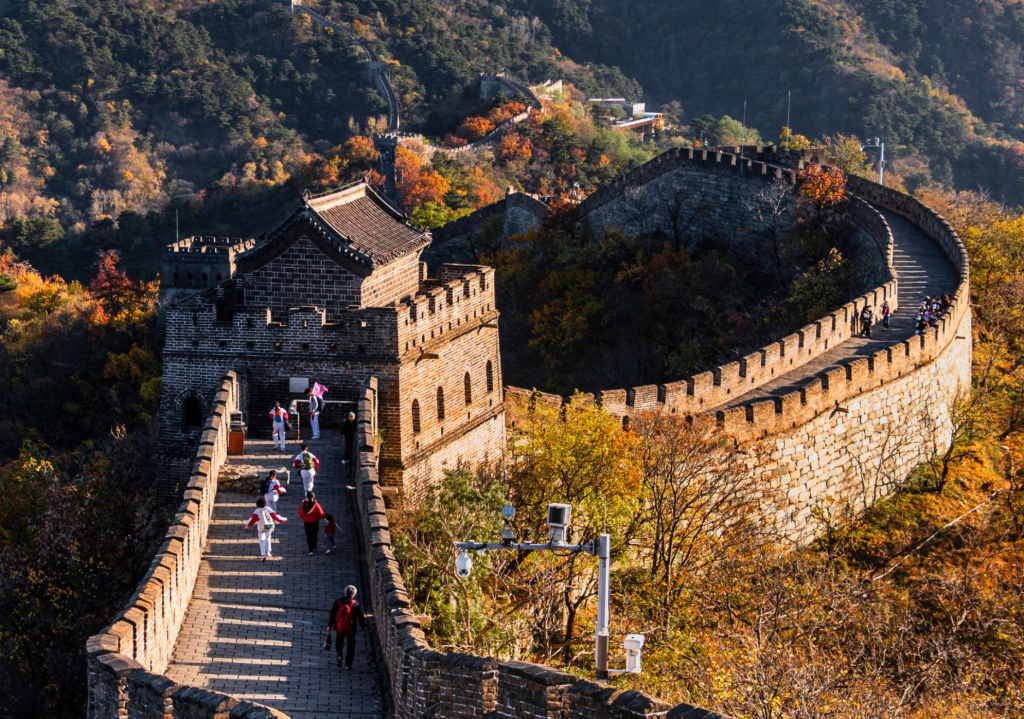
Do not stop at every tower
Every tower can feel important when you first arrive, but stopping too often can break the rhythm of the visit. Pick a few stronger stops instead of treating every tower as a photo task. This keeps the group comfortable and gives each photo more attention.
If the section is busier than expected, be even more selective. Wait for a calmer moment, step aside safely, and avoid blocking narrow paths. The note on what to do if the Great Wall is busier than expected also applies to photo stops, because crowd pressure can change where and when it makes sense to pause.
Use short photo breaks as rest breaks
A good photo break can also be a good rest break. Instead of stopping randomly, pause where the view opens, where the path becomes steeper, or before a longer return. Take a few photos, drink water, and check how everyone feels.
This helps the day stay relaxed. The group gets photos without feeling dragged into constant stopping, and the walk keeps a steady rhythm.
Keep phones ready, but keep heads up
Charge your phone before leaving and keep it easy to reach. At the same time, do not look through the screen for the whole visit. Some of the best moments are not photos: wind across the ridge, quiet between towers, or the first time the wall curves into the distance.
If the route starts to feel tiring, put the camera away for a while and focus on the walk. The Blogger note on how to pace your Great Wall walk without getting tired is a good reminder that comfort matters more than collecting one more picture.
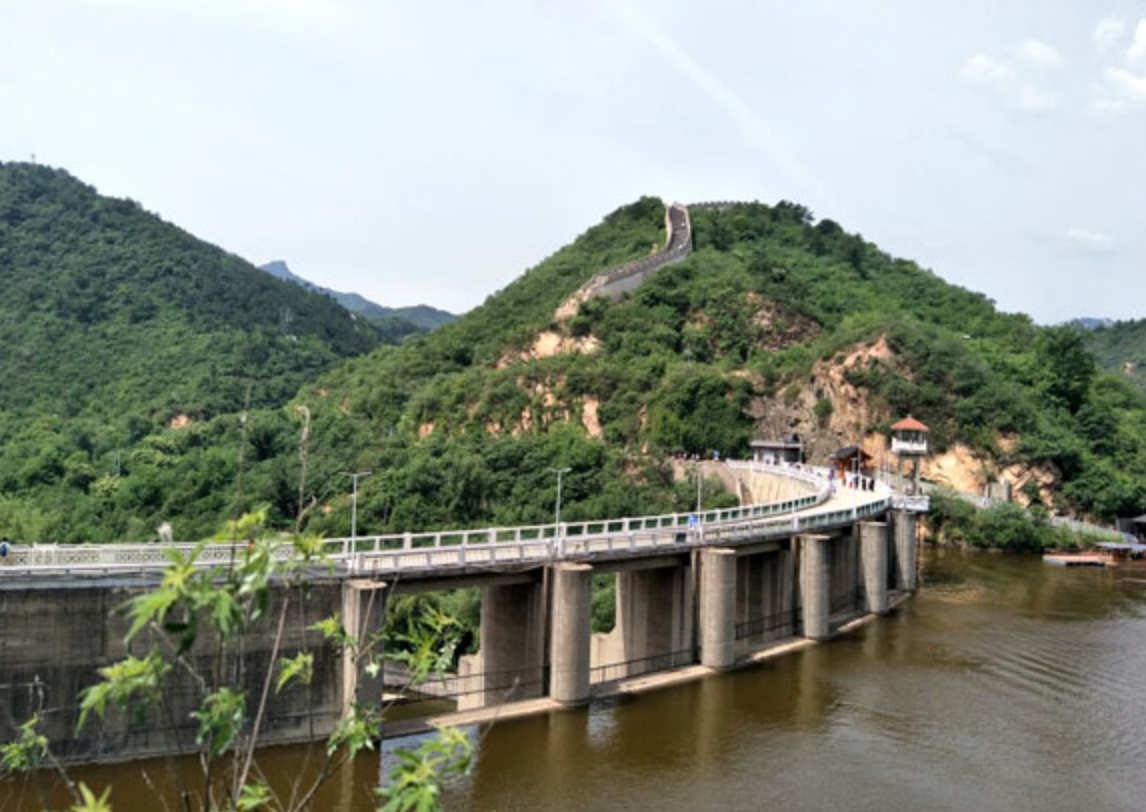
Let imperfect weather become part of the story
Clear blue sky is not the only good photo condition. Cloud, mist, wind, or softer visibility can make the wall feel more atmospheric. If the weather is safe enough for your route, do not judge the day only by whether the sky looks perfect.
Take photos that match the day: wet stone after rain, layers of hills in haze, jackets in wind, or a quieter path under clouds. These details often make the visit feel more personal.
Bottom line
To take better Great Wall photos without losing the whole day, choose good light, start with wide views, limit repeated stops, use photo breaks as rest breaks, and remember to look up from the screen.
The goal is not to leave with hundreds of similar pictures. It is to keep a few images that bring back the feeling of the walk.

Comments
Post a Comment