How to Pace Your Great Wall Walk Without Getting Tired
A Great Wall walk is not only about distance. The steps, slopes, wind, sun, photo stops, and return timing all change how tiring the day feels. Many visitors do not get tired because the wall is impossible; they get tired because they start too fast.
A better visit begins with a slower rhythm. If you protect your energy in the first half hour, the rest of the route usually feels more enjoyable and easier to adjust.
Start slower than you think you need to
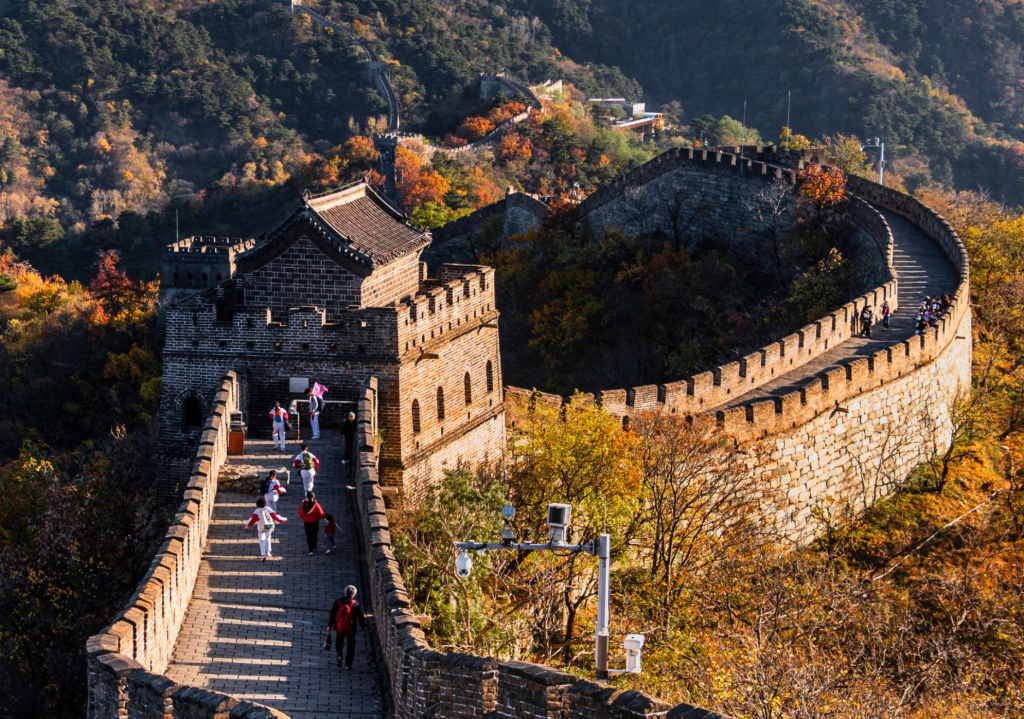
The first few minutes can be misleading. Everyone is excited, the views are fresh, and it is easy to climb faster than usual. But the wall often changes quickly from flat walkway to uneven steps, and a fast start can make the middle of the route feel much harder.
Begin at a pace that feels almost too easy. Let your legs warm up, watch the step height, and pause before you are out of breath. This is especially useful if your group has different ages or fitness levels.
Choose a turnaround point early
A comfortable Great Wall walk needs a clear return idea. You do not need to know every tower in advance, but you should decide what kind of point will make a good turnaround: a viewpoint, a tower, a time limit, or the moment the path starts feeling too steep.
This keeps the day from becoming a one-way push. If you are still deciding how long the visit should be, the earlier note on how much time to spend at the Great Wall can help you match the walk to the rest of your day.
Use photo stops as rest stops
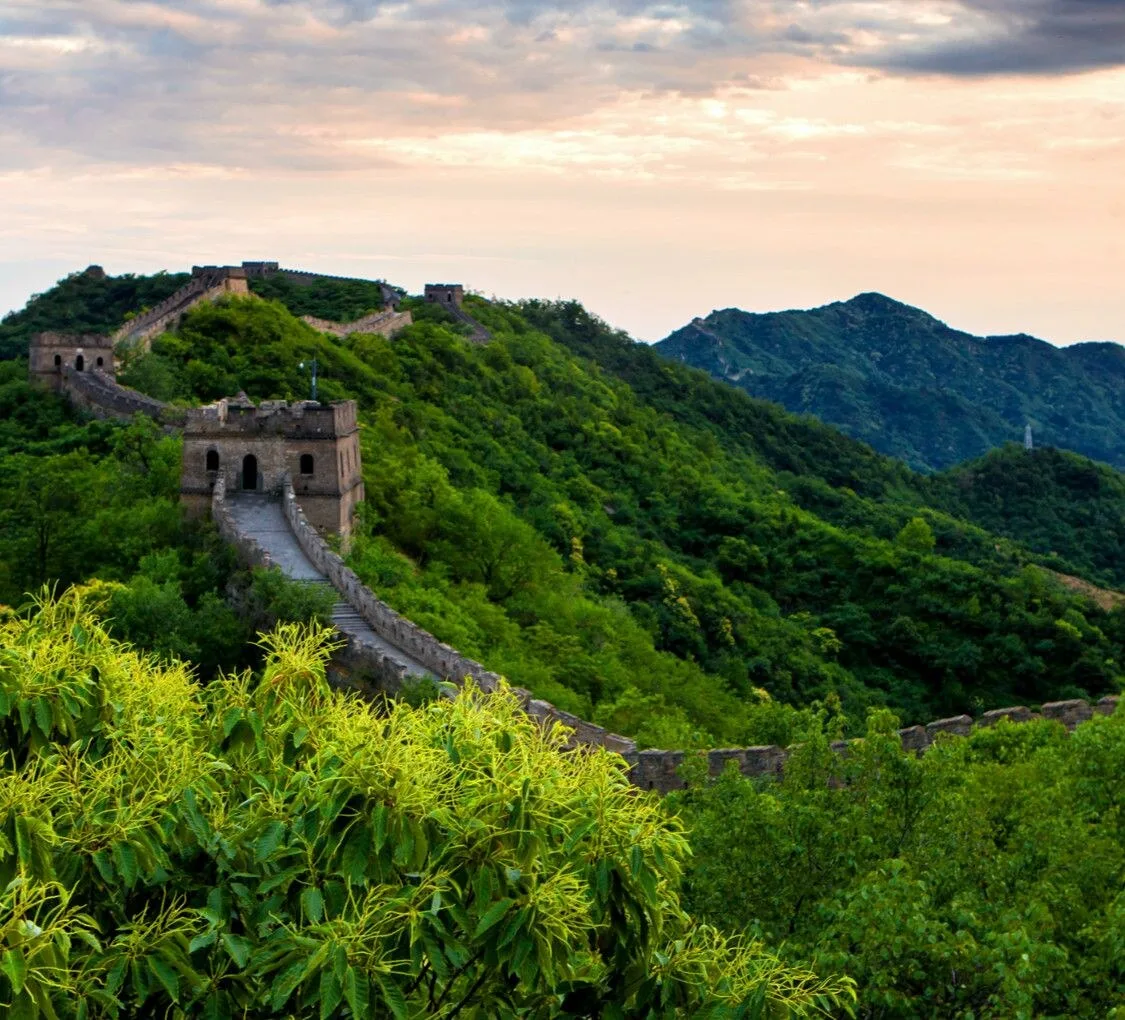
Photo stops are not wasted time. They are natural rest points. Instead of walking until everyone is tired and then stopping suddenly, pause when the view opens, when the path changes, or before a steeper section.
During each stop, drink a little water, check the next stretch, and ask whether the group still feels comfortable. Short pauses keep the visit pleasant without turning it into a slow day.
Carry less, but carry the right things
A heavy bag makes steps harder. For most casual visits, you only need the essentials: water, sun protection, a light layer when needed, phone power, and any personal medicine. Shoes matter more than extra gear.
If you are unsure what belongs in the bag, review the Blogger note on what to pack for a Great Wall trip in different seasons. The goal is to feel prepared without carrying things you will not use.
Watch the return, not only the climb
Many visitors focus on going up and forget that coming down also takes energy. Descending uneven steps can be slower than expected, especially when knees are tired or the path is crowded.
A simple rule helps: turn back while the group still feels good, not when everyone is already tired. That makes the return safer and leaves a better memory of the visit.
Adjust before the day becomes difficult
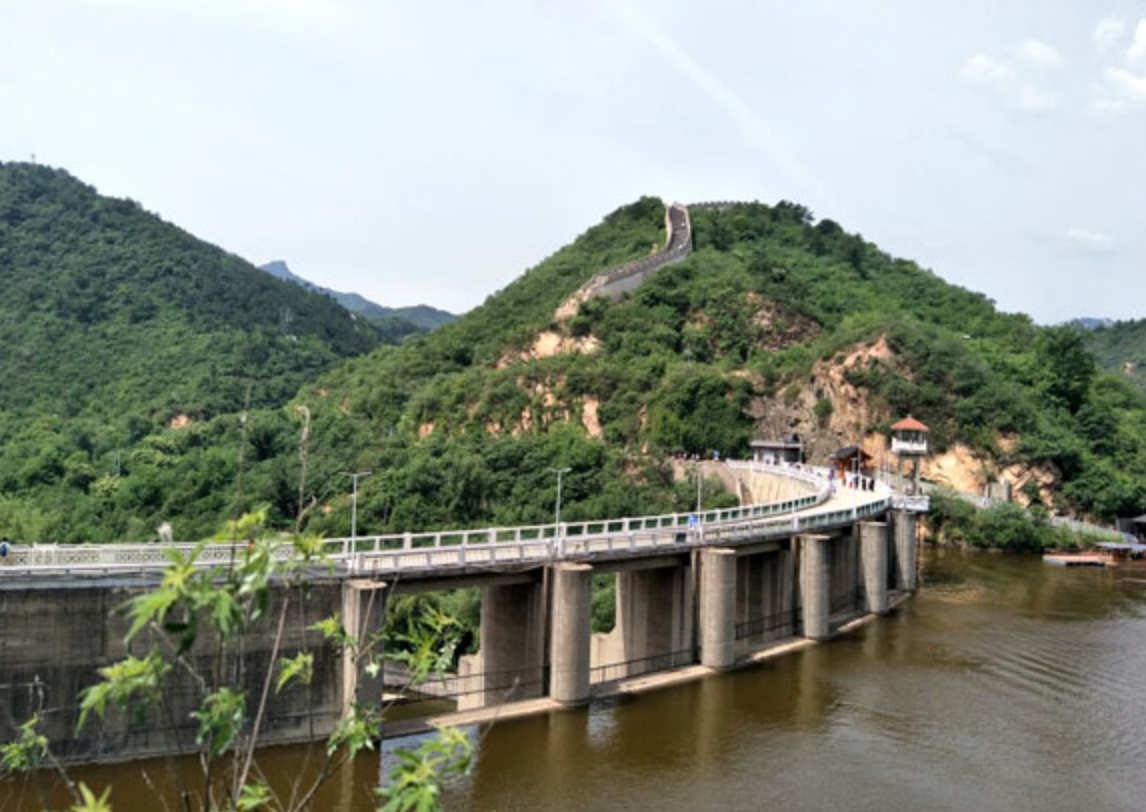
If the weather changes, the route feels steeper than expected, or someone is getting tired, adjust early. Shorten the walk, take a longer pause, skip an extra tower, or make the return the priority.
A flexible plan is not a weaker plan. The earlier note on how to adjust a Great Wall plan when the day changes is useful when the original idea needs to become simpler.
Bottom line
To avoid getting tired at the Great Wall, start slowly, choose a turnaround point, use photo stops as rest stops, carry only what you need, and protect energy for the return.
The best Great Wall walk is not always the longest one. It is the one that lets you enjoy the view, stay comfortable, and leave with enough energy for the rest of the day.


Comments
Post a Comment