How to Choose the Right Turnaround Point on a Great Wall Walk
One of the most useful decisions on a Great Wall visit is also one of the easiest to postpone: where to turn around. The next tower is often visible, the view keeps opening up, and it can feel tempting to walk just a little farther. But the best visit usually ends with enough energy for the return, not with everyone wishing they had stopped earlier.
A turnaround point does not need to be exact on a map. It can be a tower, a ridge view, a time limit, or simply the moment when the group agrees that the day already feels complete. Choosing it early gives the walk a clear shape while still leaving room to enjoy the scenery.
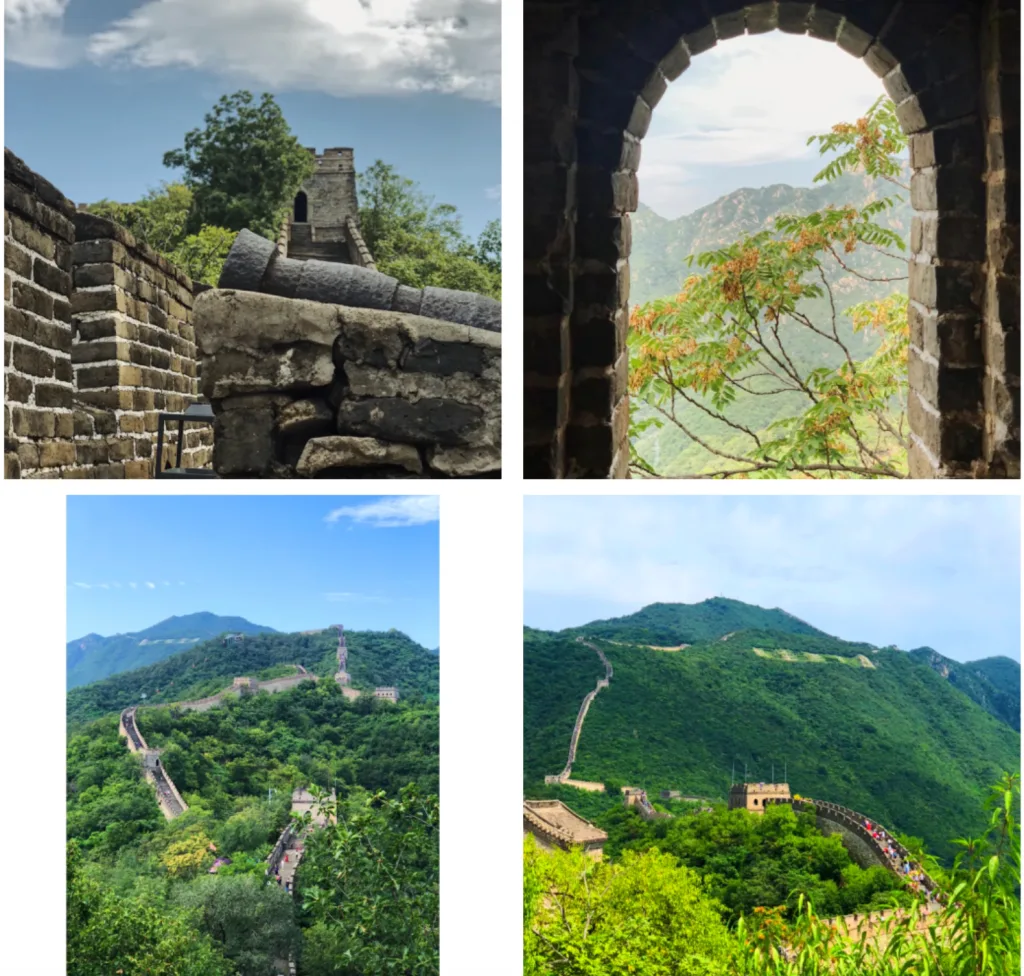
Decide what a good finish looks like
Before you start climbing, decide what would make the visit feel successful. For some people, it is reaching a high viewpoint. For others, it is seeing the wall stretch across the hills, taking a few photographs, and returning without rushing. A clear definition makes it easier to stop at the right time.
This is especially helpful when the group has different walking preferences. The goal does not need to be the furthest tower. It only needs to give everyone a memorable view and a comfortable way back.
Use the first viewpoint as a check-in
The first open viewpoint is a good place to assess the day. Check the time, the weather, the energy of the group, and how the steps have felt so far. If the next section looks much steeper or more exposed, it may be better to enjoy the view you have rather than extend the route automatically.
A steady pace usually gives you more information than a fast start. The earlier note on how to pace your Great Wall walk without getting tired can help make those pauses feel like part of the visit rather than a delay.
Let the return time guide the distance
Walking out is only half of the route. You still need time to turn around, descend, find the exit, and make the next transport connection. Start with the time you need to leave the wall, then work backward. This gives you a sensible moment to begin returning even if the views are encouraging you to keep going.
If you are building the visit into a shorter day, the guide to planning a Great Wall visit when you only have half a day is useful for keeping the timing honest.
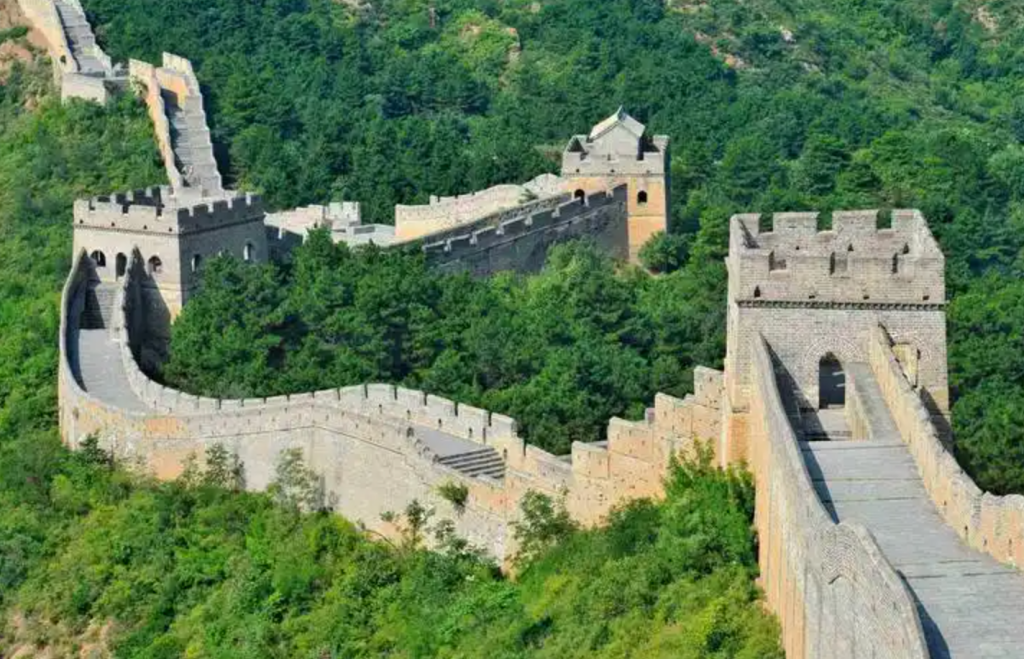
Notice when the route starts to feel different
A change in the route is often a better signal than a number of steps. The path may become steeper, more crowded, more exposed to wind, or less comfortable underfoot. When the character of the walk changes, stop and decide whether it adds enough to the day to continue.
On warm days, this decision often comes earlier than expected. The note on planning a Great Wall visit on a hot summer day is a good reminder that distance should always follow the conditions, not the original ambition.
Turn around while the group still feels good
The best turnaround moment is rarely when everyone is exhausted. It is when you have had the view, the photos, and the feeling of being on the wall, while there is still enough energy for an unhurried return. This keeps the final hour pleasant and makes the whole day feel more balanced.
For that last stretch, the reminders in the last hour before leaving the Great Wall can help you protect the exit and return plan.
Bottom line
Choose a visible goal, check in at the first good viewpoint, work backward from the return time, and turn around before the route becomes a struggle. A Great Wall walk does not need to be long to feel complete. It needs a finish that leaves you satisfied rather than spent.


Comments
Post a Comment