How to Visit the Great Wall Without Planning a Long Hike
You do not need to plan a long hike to have a memorable Great Wall visit. For many travelers, the best day is a shorter walk with a clear viewpoint, enough time for photos, and a comfortable way back down. This can work especially well for first-time visitors, families, mixed-age groups, or anyone with a full Beijing itinerary.
The key is to choose the section and access method before you arrive. A lighter plan is not a lesser plan. It gives you more room to enjoy the stonework, the mountains, and the changing views without turning the day into a race against your energy.
Choose a section with flexible access
Start by looking for a section where the walking route can be adjusted. Restored areas with clear entrances, shuttles, cable options, and obvious turn-around points make it easier to shape the day around your group instead of committing to a long ridge walk.
If you are comparing locations, this guide to recommended Great Wall sections can help you see which type of visit fits your time and comfort level. The best choice is usually the one that gives you options once you are on site.
Set one good viewpoint as the goal
A short visit feels complete when it has a destination. Pick one tower, one ridge view, or one photo point that you will be happy to reach. Once you get there, pause, enjoy the view, and decide whether continuing will add something meaningful to the day.
This keeps the route from expanding just because another tower is visible ahead. The wall often looks closer than it feels, and a clear stopping point makes the return calmer.
Use the access choices to save energy
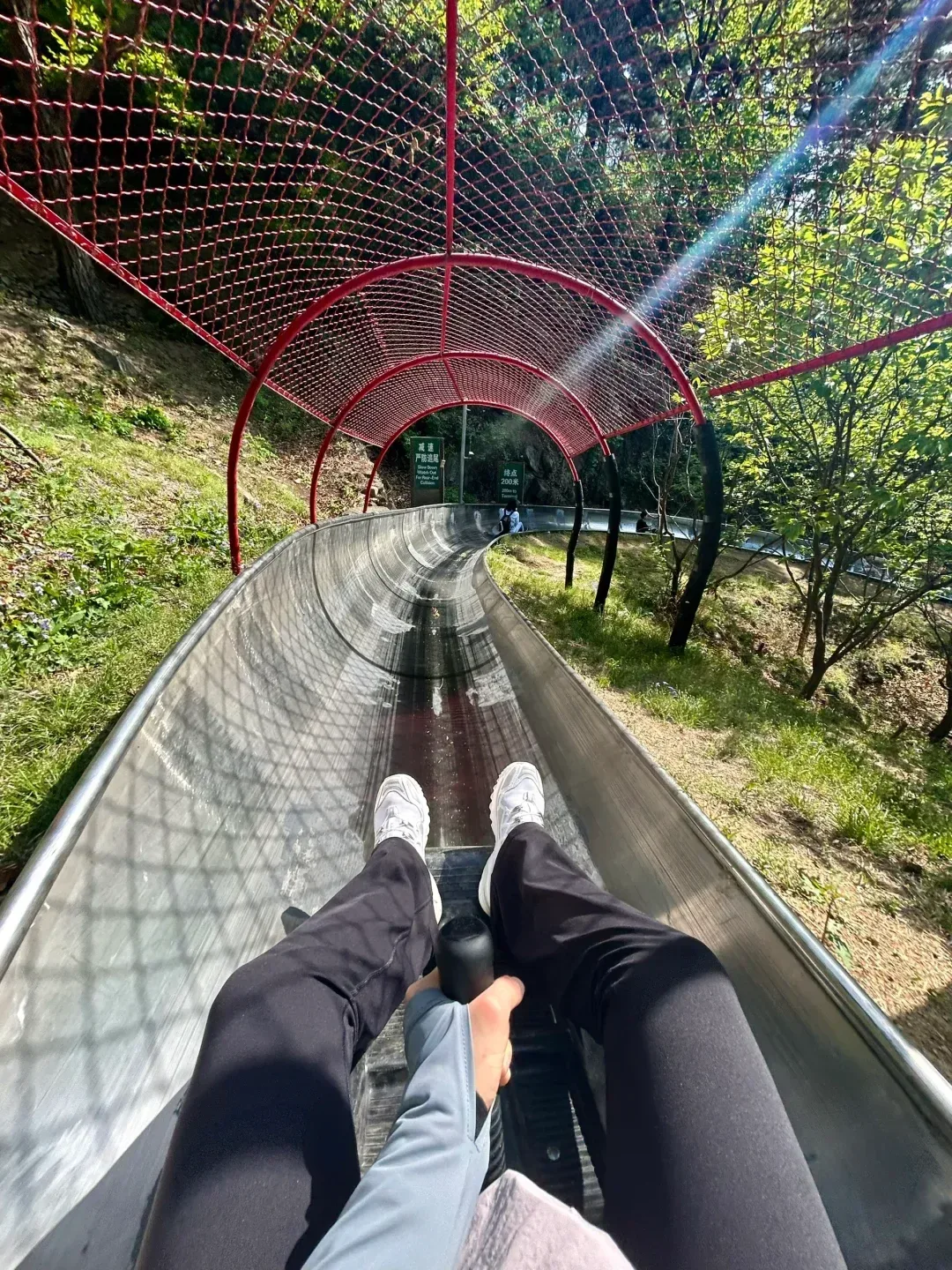
At Mutianyu, a lift or cable option can be a practical way to keep more energy for the part of the wall you most want to see. It is not only about reducing steps. It can also help a group arrive together and begin the visit in a more relaxed mood.
For a closer look at the route and access choices, read how to explore Mutianyu more easily. The related Blogger note on choosing between the cable car, chairlift, or walking can help match the approach to your group.
Keep the walking distance honest
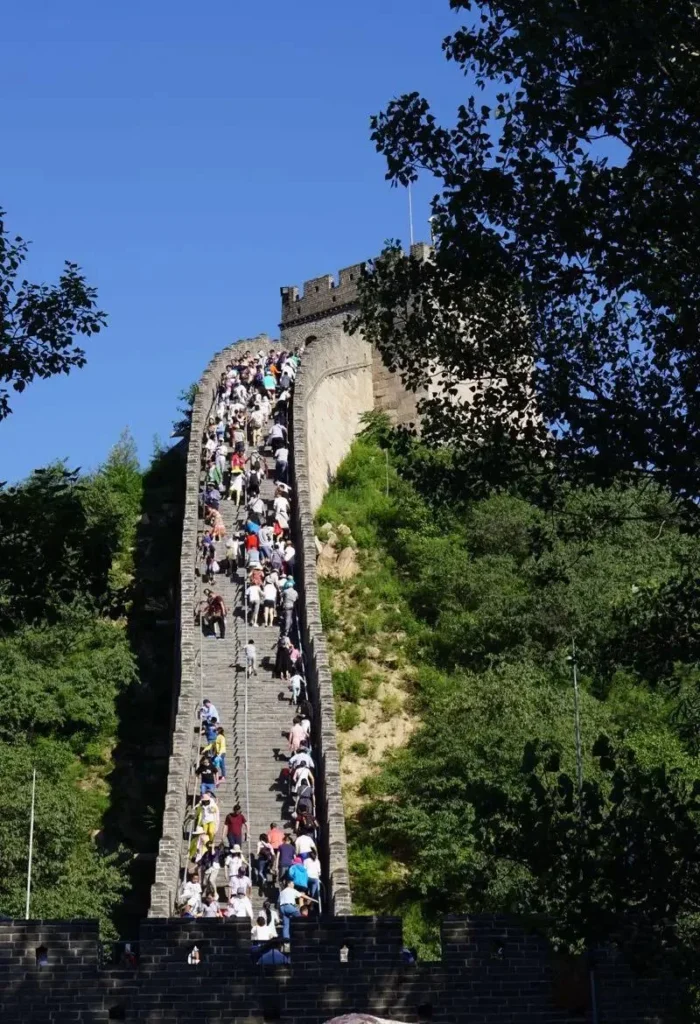
It is easy to say you will walk only a little farther. But steps, heat, wind, and photo stops can make a modest distance take longer than expected. A good low-walking plan leaves enough energy for the return, the exit process, and the journey back to Beijing.
If your day is limited, the note on planning a Great Wall visit when you only have half a day is useful for setting realistic expectations. A shorter route often gives you a better overall day.
Plan around the people who need the most comfort
For a group, choose the route around the person who will find the steps most demanding. This does not mean everyone misses out. It means the whole group can stay together and make decisions before anyone is exhausted.
The practical advice in planning with kids or older travelers is helpful even when no one in the group has a special mobility need. It encourages a pace that leaves room for breaks, views, and a comfortable return.
Use pauses to judge the next stretch
Stop at a tower or viewpoint and ask a simple question: does the next section look worth the extra effort today? If the answer is uncertain, turning back while everyone still feels good is often the better choice.
The note on pacing a Great Wall walk without getting tired offers a useful way to keep pauses natural rather than treating them as delays.
Bottom line
A Great Wall visit does not have to be a long hike. Choose flexible access, set one satisfying viewpoint, keep the route honest, and turn back before the walk starts to feel like a chore. With the right plan, a shorter visit can be exactly the right amount of wall.


Comments
Post a Comment