How to Plan Food, Water, and Rest on a Great Wall Day
A Great Wall day feels much easier when food, water, and rest are part of the plan from the beginning. They are small details, but they shape the energy of the walk, the mood of the group, and how enjoyable the views feel by the time you turn around.
You do not need to carry a full picnic or schedule every minute. A simple plan for when to drink, when to pause, and when to eat keeps the day flexible without leaving anyone unexpectedly tired or hungry.
Eat something before the climb begins
The first hour on the wall is more enjoyable when you have already eaten a proper breakfast or an early meal. The steps can be steeper than expected, and there may not be a convenient place to stop once you have started your preferred route.
Keep the first meal simple and familiar. A combination of carbohydrates and protein is usually enough to carry you through the early walking. Save a small snack for later rather than relying on hunger to tell you when to stop.
Carry water where you can reach it
Water only helps if you can reach it easily. Put a bottle in an outside pocket or a small day bag, and drink regularly instead of waiting until you feel very thirsty. In warm weather, a short drink at each natural pause is easier than trying to catch up later.
How much you bring depends on the weather, your walking distance, and the group. The important part is making water part of the rhythm, especially on exposed stretches where the sun and steps can make a modest route feel longer.
Use viewpoints as natural rest stops
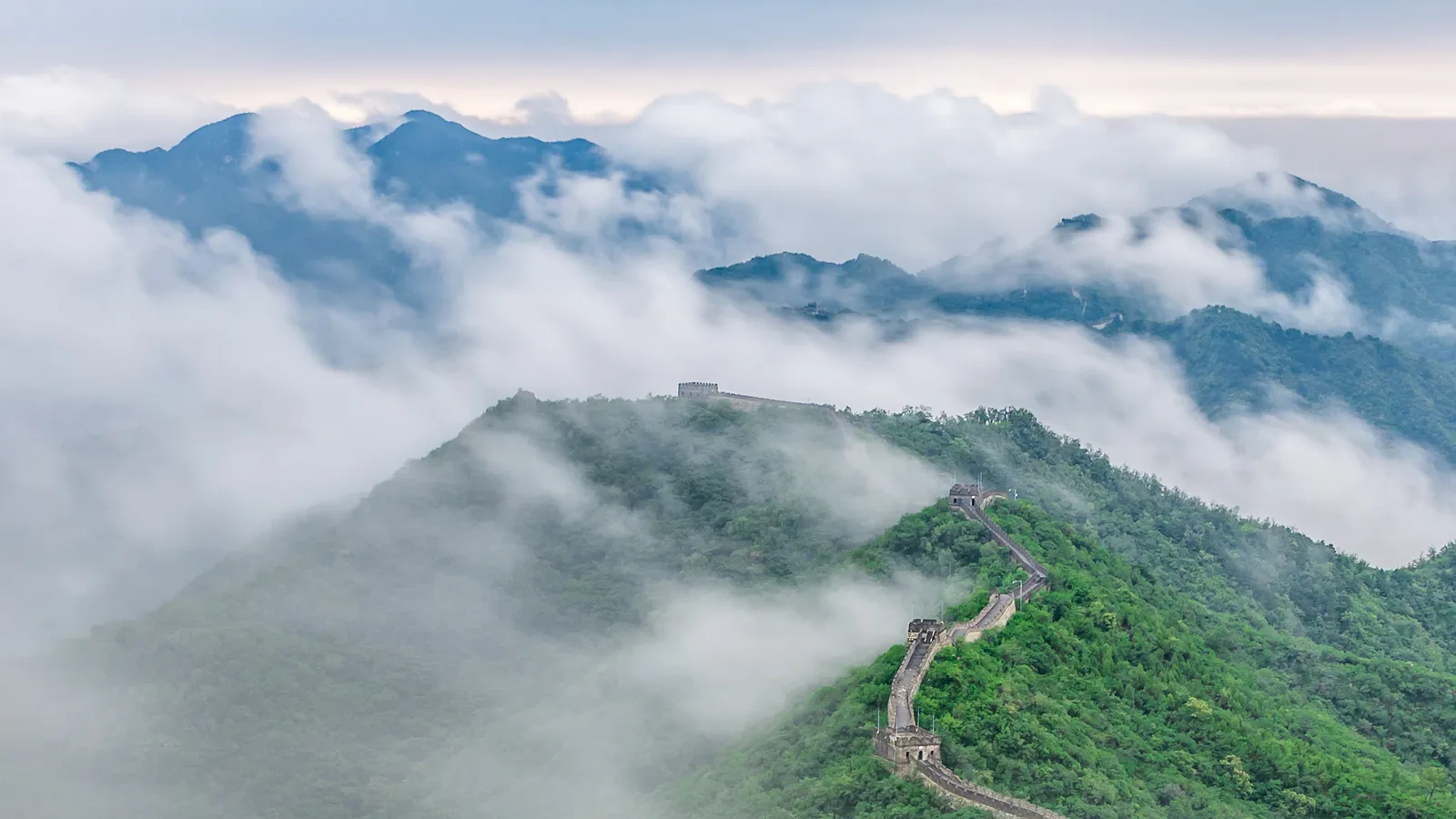
The best rest stop is often already part of the visit: a tower, a viewpoint, or a quieter stretch where you can look back at the ridges. Pause for a few minutes, take in the view, drink some water, and decide whether the next section still suits the day.
A relaxed pace is usually more rewarding than trying to keep moving until everyone is tired. The earlier note on how to pace your Great Wall walk without getting tired offers a useful way to think about those short, well-timed pauses.
Keep snacks practical
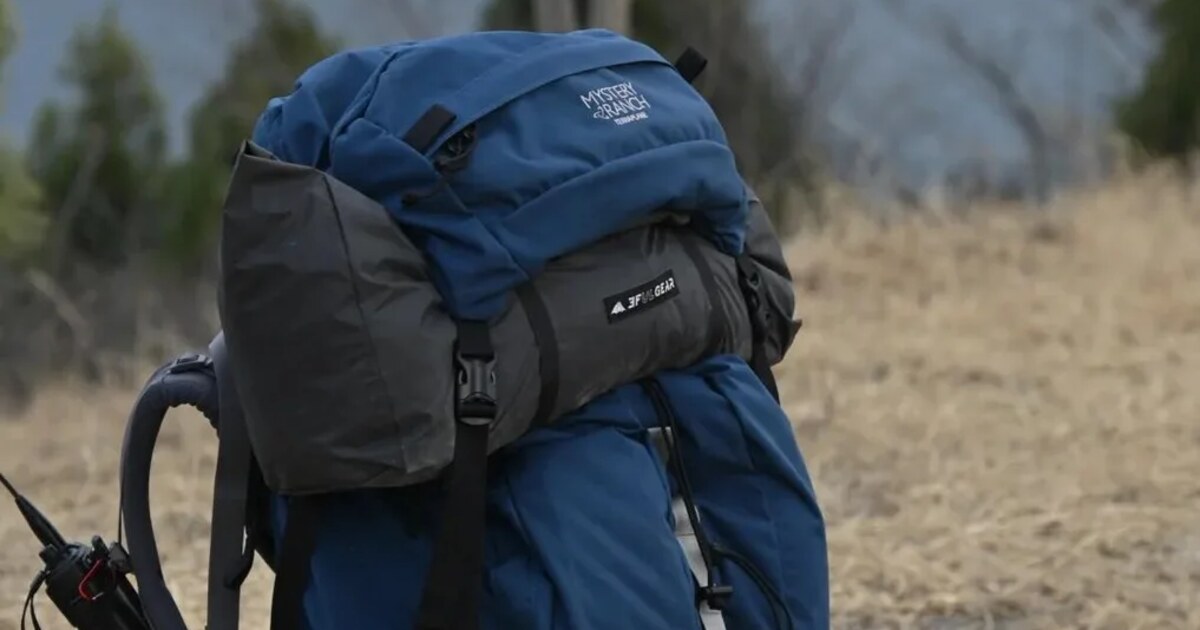
Choose snacks that travel well and do not require a long stop. Fruit, nuts, a small sandwich, crackers, or an energy bar can be enough. Avoid packing so much that the bag becomes uncomfortable, especially if the plan includes a lift, shuttle, or a longer walk back to the exit.
For a shorter visit, it is often better to eat a proper meal before or after the wall and use snacks only to keep the energy level steady. This keeps the walking route light and leaves more time for the part you came to see.
Plan breaks around the group, not just the map
Maps can show distance, but they do not show how people are feeling. Families, first-time visitors, and mixed-age groups usually benefit from more frequent pauses, even when the route itself is short. A few early breaks can prevent the last part of the walk from becoming difficult.
If your group includes children or older travelers, the note on planning a Great Wall visit with kids or older travelers can help you set a calmer pace from the start.
Do not leave the last break too late
Before the final stretch back, take a moment to check water, snacks, and energy. It is easier to make a good decision while everyone still feels comfortable than when the return becomes urgent. That last small pause also gives you time to check the route out and the next transport step.
A simple Great Wall day is usually the most satisfying kind. The guide to keeping a first Great Wall day simple is a useful companion when you are deciding how much to fit into one visit.
Bottom line
Plan one proper meal, keep water accessible, use viewpoints for short pauses, and carry only the snacks you will actually use. With those basics handled, the walk becomes less about managing discomfort and more about enjoying the wall at a pace that feels good.


Comments
Post a Comment