How to Confirm Your Great Wall Transport Plan Before Leaving Beijing
Transport is often the part of a Great Wall day that deserves the most attention before you leave Beijing. A route can look simple on a map, but the actual day includes reaching the departure point, finding the right entrance, allowing for tickets or shuttles, and leaving enough time to return without stress.
A few clear decisions before departure make the visit feel much easier. You do not need to plan every minute. You just need to know which section you are visiting, how you will reach it, and what you will do if the timing changes.
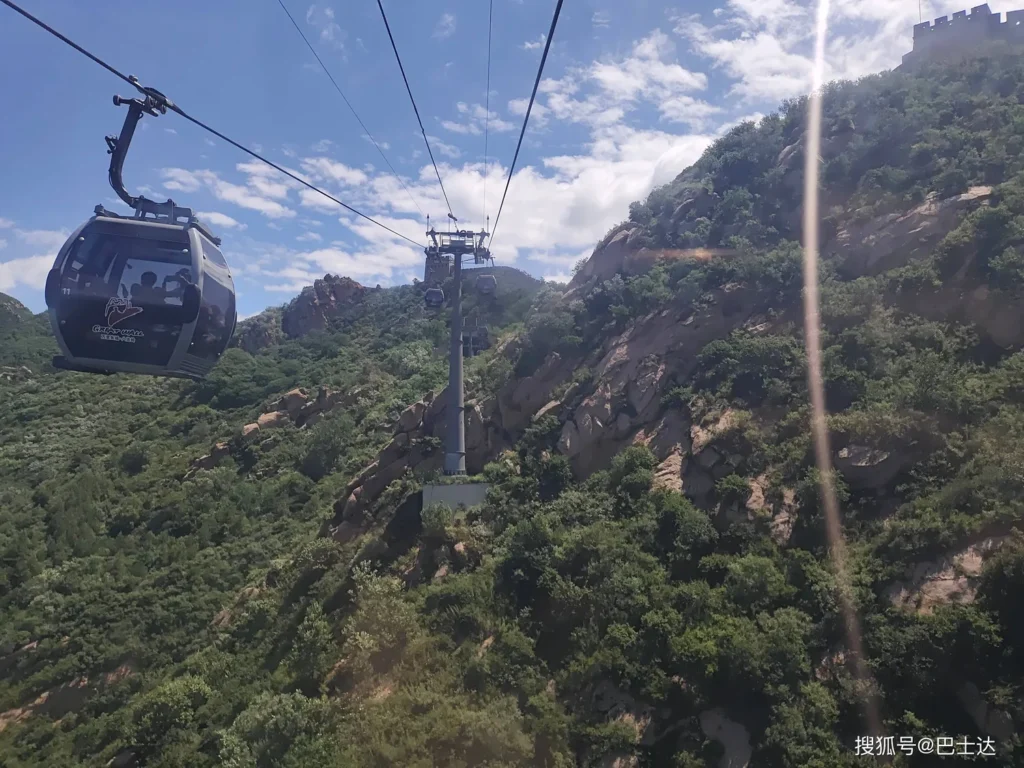
Choose the section before choosing the transport
Start with the section, not the vehicle. Badaling and Mutianyu are both popular, but their access, walking choices, and atmosphere can lead to very different days. Once you know which one fits your group, the transport plan becomes much more concrete.
If you are deciding between the two, the earlier note on Badaling or Mutianyu can help you make that first choice. It is easier to compare train, bus, private car, or tour options after you have a clear destination.
Know your actual starting point
Beijing is large, so a transport plan should begin with your real location, not just the name of your hotel district. Check the closest practical station or pickup point, the time needed to get there, and whether everyone in the group can manage an early departure.
For visitors heading to Badaling, this guide to getting to Badaling from Beijing explains the main train, bus, and car options. Choose one primary route and save the key stop names before leaving.
Separate the ride from the time on the wall
A common mistake is counting the journey as if it were part of the visit itself. The ride out, arrival process, and local transfer can take a meaningful part of the day. Keep those hours separate from the time you actually want for the wall, photos, and rests.
This matters even more when your schedule is tight. The note on planning a Great Wall visit when you only have half a day is useful when you need to keep the route focused and leave room for the return.
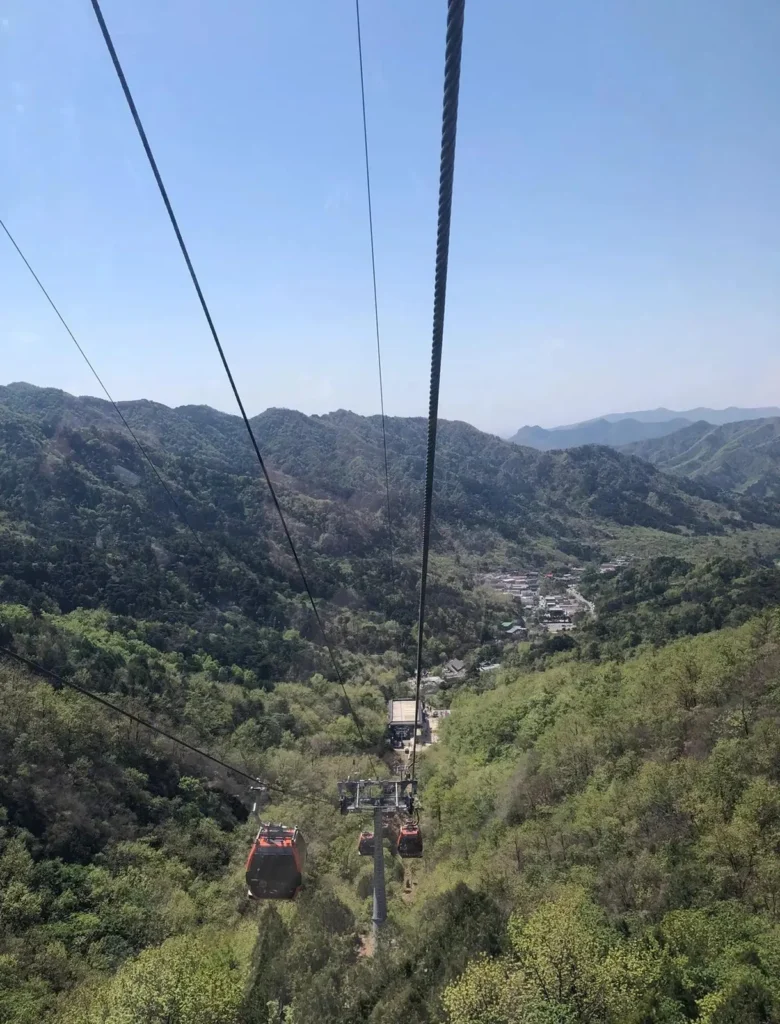
Decide how you will reach the wall itself
Getting to the section is not always the same as getting onto the wall. At some entrances, you may still have a shuttle, a cable car, a chairlift, or a walk uphill ahead of you. Decide which approach matches the energy, mobility, and interests of your group.
For Mutianyu, this practical introduction to exploring the section more easily can help you understand the access choices before you arrive. A clear decision here prevents a long discussion at the entrance when time is already moving.
Set a departure window, not only an arrival time
It helps to set two times: when you want to arrive and when you should begin heading back. The second time is often more useful because it protects the return journey. If the walk takes longer than expected, you will still know when to turn around.
Choose the earlier or later part of the day with the same care. The guide on morning or afternoon Great Wall visits can help you think through energy, weather, and travel pace.
Save the return details before the signal changes
Before leaving Beijing, save the return station, meeting point, hotel address, and any driver or tour contact details. A screenshot of maps and booking information is useful when the signal is weak or when the group decides to leave earlier than planned.
Give the final part of the day some room. The reminders in the last hour before leaving the Great Wall are especially useful when transport has a fixed schedule.
Bottom line
A sound Great Wall transport plan begins with the right section, a realistic starting point, and a clear return window. Once those pieces are settled, the journey becomes part of the day rather than a source of pressure.


Comments
Post a Comment